Showing posts with label advice. Show all posts

Tuesday, October 26, 2010

Motivate Me!

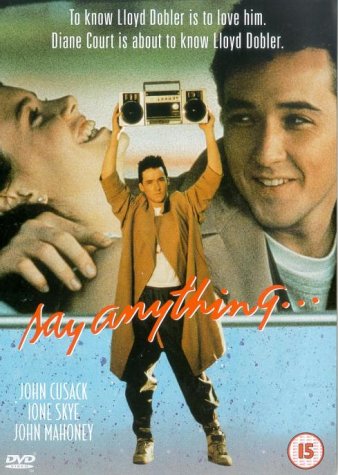
Lloyd Dobler from Say Anything: I don't want to sell anything, buy anything, or process anything as a career. I don't want to sell anything bought or processed, or buy anything sold or processed, or process anything sold, bought, or processed, or repair anything sold, bought, or processed. You know, as a career, I don't want to do that. 
Sometimes when I'm stuck in the middle of a challenging art job, or trying to get motivated to start a new job I can come up with a dozen reasons why I SHOULDN'T take some kind of action and I feel stuck in the "I just don't want to do that" zone.  I can become annoyed with work and careers in general, wonder why I am doing what I'm doing, if it will lead to anything, and on and on.      


When I am stuck in one of those negative mindsets here are some things I do to get back to work:
1.  Make A List of small, easy steps to take and cross them off when done, ie:
- Get out supplies and set up table
- Do rough sketches for 1 hour (sometimes I even set a timer, which helps mentally)
- Scrub in basic colors on canvas
- Take a 20 minute break
2.  Listen To Music or TV while working - this tricks me into thinking that I'm not really doing "work"
3.  Step Away: take a 30 minute walk or nap - sometimes changing it up physically with rest or exercise can change your mindset.
4.  Go To The Art Store:  Buying new supplies, even if it's just a couple new brushes can inspire.
5.  Go To The Bookstore or Library - Viewing other people's art in books and magazines helps motivate me.


What do you do to get motivated?

Friday, October 15, 2010

My First Crack At A Professional Illustration Job

These last few weeks were exhilarating, challenging and exhausting.  I completed my first major commercial illustration job and boy did I learn a lot!  I anticipate my next jobs to be a lot easier because I learned so much from the process and through working with an amazingly patient client.   I'm not sure if I can post the final paintings yet but I can highlight the most important things I learned from doing this project.

6 Takeaway Tips From My First Illustration Job:

1. Take Time To Evaluate Your Artistic Process:  When evaluating the job at hand try to plan out exactly HOW you are going to complete the job and what tools you'll need to do your best work.  Then discuss your process with the client and ask for any tools or extra time you'll need.  Don't let your process be a surprise to the client.  For example:  Will you need detailed reference photos? Will you need real life references?  Will you have to do a lot of extra leg work to research or prep for the project?  How long will each painting really take?  How long will each revision take?  All of these questions are important to think through because if you get to the middle of the project and realize you don't have all the tools you need or the time you need, you'll feel stuck.

2.  Consult with a Pro Prior To Signing Contract:  Talk to another commercial Illustrator before taking the job to learn about what the process is like and what to include in a contract.

3.  Consult with A Pro To Keep Your Head on Straight:  During the job you might feel isolated and frustrated and have no one to consult with when you question or doubt yourself.  Don't bother your husband or your mom - they won't get it.  Try to contact other illustrators throughout the process so you can vent to someone who really understands what you are going through.  I received some great tips from illustrator, Karyn Servin, while I was working on my project.  She also helped relieve some of the stress I was feeling.

4.  Take Time Off:  Give yourself time to step away from the project and force yourself to think about things other than the job.  While it is necessary to give 110% to the job, it's important to remember that you'll do better work when you are healthy, happy and enjoying life.  At first I was trying to work every day, all day, and I thought about the project around the clock.  Finally when I started taking appropriate breaks and gave myself time to breathe, I ended up producing better work and enjoying the process more.

5.  Don't Be A Mind Reader:  This is sooo important.  I don't know how many times I jumped into a new leg of the project without being 100% clear on what the client was looking for.  I THOUGHT I knew what they were looking for but it wasn't until I asked very specific questions and got very specific feedback, did I realize what to do.

6.  Don't be stubborn:  At the end of the day, even if you don't think a painting needs a brushstroke here or extra color there, listen to what the client wants and just do it to the best of your ability.  This isn't about what you like, it's about what THEY like.

This list could go on and on because I did learn a lot.  But all this learning is making me itch to get started on another project.  So I'll leave you with these 6 tips - I hope they help!

Friday, August 13, 2010

Art Sales Success Story: Selling Art in a Cafe

One question I get a lot is:  "How have you sold most of your art so far?"  People want to know what sales avenue has worked best for me in this beginning phase of my art career.  While a lot of things have started to fall into place, one successful venue has been putting my artwork up in a cafe.  

When I started selling my art 7 months ago, one of my marketing/sales strategies was to get my work up in local cafes or shops to increase my visibility.  This last week I sold off all but 1 painting from a local cafe and I am pretty pleased.  I have been trying to analyze what went RIGHT to make this happen and I have a few ideas.  Here is what worked for me:

1.  I cold-called about 10-20 places that I thought would be a good fit for hanging my art.  I used a phone script and left a lot of voice messages.  Luckily I heard back from a bunch of shops.
2.  Of the people who got back to me, I made sure that the owners did not want to take any commission and I visited the cafes to see if there was a lot of traffic.  I also asked if prior artists had sold much artwork.
3.  Just Go For IT!  I was nervous for my first cafe set up being "perfect" but I knew I had to just get my stuff out there.  The first place I chose was a cute cafe with a lot of traffic but I didn't sell anything.  This was because of the cafe location - a student/younger adult neighborhood.  I don't think people at this particular cafe had money OR owned homes.  Definitely choose a place in a neighborhood filled with people who are 35 plus and own homes.
4.  Learning through trial and error:  I committed to staying at the first cafe for only 1 month.  This was a good decision since I didn't have any sales and was able to move on quickly.  I was able to learn a lot about how to display the art, the materials I would need and the time it takes.  (Email me if you want more info on the set up process.)
5.  Location is everything:  My second location was an Ice Cream Shop called The Daily Scoop.  Good things about this location:  in an artsy neighborhood, in a neighborhood with homes, (not apartments), shop has a retro/crafty vibe and is known for displaying local art.
Photo Credit: David Olender
6.  Self promotion on-site:  I bought a plastic business card/flyer display at Staples and used it to display cards and a personal flyer (with info on my blog, etsy site, website, and a photo). 
7.  Success!  Sure enough, at this new location, I have sold 7 out of 8 paintings that were displayed.  My prints did not sell but I am finding that people want original, affordable art for their homes.  
8.  Follow up - I have contacted all the people who purchased my art at The Daily Scoop and have received additional sales from these collectors!

All in all, finding a good location is KEY to sales success at a cafe.  The above steps worked for me and I'd love to hear what has worked for you!  If you have any questions about the steps, please email me for details!  Luckily I found a hot spot and I hope that it continues to be a profitable location.  If not, I'll be sure to chronicle what NOT to do in a future post.  :-)       

Wednesday, June 9, 2010

Licensing International Expo: A Newbie's Perspective

One thing that I wanted to mark off my checklist before I began to work on an art licensing portfolio was to visit one of the big licensing expos to get a personal view of what the licensing world is really like.  After visiting the Licensing International Expo in Vegas on Tuesday, I can say that the walk through was a great learning experience and it got me enthused to begin working on a portfolio.  While I was successfully prepared for how to "walk" a trade show from art licensor Tara Reed's awesome Art Licensing Info website and E-book, How To Get Started In Art Licensing,  I have returned with some additional tips and notes from my recent experience.
Summary
Overall I thought the Licensing Expo was very interesting and informative and best of all - FREE to attend.  It was less art focused that I would have thought which made it take a lot less time than I had imagined.  It made most sense for me to attend this Expo because that I live on the West Coast but I heard from many exhibitors that Surtex is much more art focused with over 2x as many art booths.   At Licensing International Expo there were 70 booths comprised of individual artists, agencies and collaborative art groups all located in the Art & Design area.  This is where I focused my energy for the majority of my time.
Walk Through
I got to the Expo right at 10:00 when it opened.  It took me about 1 1/2 hours to carefully walk through the Art & Design area while picking up cards, talking to people and introducing myself when I had a chance.  I was very careful to mind people's body language and keep quiet when I thought necessary.  Some artists and agencies were more willing to chat than others.  I gave out my cards when people asked.  Cameras were not allowed so I had to stop and take notes often.  Luckily there were a lot of sitting areas in between booths.

After I walked around the Art & Design area about 2 times I didn't want to seem like a stalker so I toured the rest of the show.  This took about an hour.  The rest of the expo was very engaging - there were entertainment booths the size of a Mc Donald's and movie characters walking around in costumes.  There were a ton of executives who seemed to be doing deals right there on the floor.  It felt a little like the show "Entourage" with a ton of good-looking, fashionable people talking about entertainment deals.  Everyone was on their i-phone and/or computers.  The vibe was very fast paced and business oriented.  It was pretty neat.

After that I picked up a bunch of literature and free publications and headed out to get lunch.  I didn't really have a reason to go back so I am glad that I booked my trip for only one day.  It was definitely worth it because now I have a better understanding of agencies and what they are looking for.  I also was able to take note of all the agencies and even made some contacts to follow up with.  Now I can't wait to build a portfolio and get my licensing show on the road.
My Advice For Walking A Show:
  • Get there early so you can talk to people before they have their business appointments scheduled
  • Bring a folder and a notebook/pen so you can take notes and stash away all the cards you pick up
  • Be prepared with a short pitch about who you are and what kind of art you do.  I was asked to describe my art about a dozen times and I wish I had had a more succinct speech.   
  • Don't be afraid to ask questions but definitely excuse yourself if an exhibitor looks like they need to be tending to something else
  • Have a couple of good questions prepared 
  • Dress professionally
  • Try to pick up as many free publications as possible because they contain all the exhibitors names as well as great licensing info
What I Heard From The Artists and Agencies:
  • Agencies are always looking for new work and new artists to review
  • Licensing is a great way to go if you want to make money as an artist
  • It's a tough job and requires a lot of hard work and tenacity
  • Definitely consult a lawyer before getting into any agreement
  • Times are tough right now and the industry is changing somewhat
I would definitely suggest going to a show like this if you have the time and there is a show relatively close by.  If you have any more questions about my experience or have advice to add, please comment or email me.


Monday, April 26, 2010

My First Street Fair Experience

I made it through my first street fair experience and I am happy that I did something new yet excited that it's over.  I did the street fair for a number of reasons - to sell art, to get my name out there, and to get experience with setting up and manning a booth.  While I didn't sell as much art as I'd like, I didn't bomb AND I definitely got great exposure and experience.
Here's the breakdown of the experience:

This street fair was a 2 day event in Encinitas, CA.  It is a HUGE fair with about 10 blocks of booths on both sides of the street.  I think the attendance was great - there was constant traffic and a lot of people stopped to talk about my artwork.  I got a great response.

I was hoping there would be more arts and crafts booths but this fair was mainly gifts, gadgets and (sorry) junk.  (SEE PICTURE BELOW) I called the booth next to me "The Dollar Store".  There was a non-stop, mad frenzy for plastic jewelry going on next door!  I mean really, how can I compete with $1???   People were not at this street fair to buy one piece of art for $40 - $150.  They were there to spend $5 on a doggie visor, $5 on jewelry, $5 on Kettle Korn and the rest at the beer garden.   I'm not trying to sound bitter - this was the reality and it's OK because I learned a lot!
My sales were ok.  I ended up making more $ than what I paid to be at the event, so that felt good.  I took notes and here is what I would do differently next time:
  • Frame more canvas paintings and make more framed prints - It seemed that people could imagine hanging the framed pieces in their home.  My big framed print was the first thing to sell. 
  • Take better care of my paintings in transit.  I noticed that some of the paintings had marks on them the second day.  Luckily I brought some baby wipes and got the marks off.  Baby wipes were a life saver!
  • More variety in themes - I had a lot of my food paintings out and they attracted a lot of attention but people either loved them or said things like "that's just going to make me eat more!".  In fact, a lot of women made that comment!  I never thought of that and I bet they wouldn't say that if I had some fruit and veggie paintings.
  • Send out more personalized notes to people who have told me they like a specific painting.  People who already have a vested interest in a painting will be more likely to make a large $ purchase than an impulse buyer.
  • Another thing I would do differently would be to try a strictly ART fair.  My next door neighbor vendor told me that he had better luck selling art at art fairs where people knew they were coming to see and purchase art.  He said that people don't go to typical street fairs to make large purchases.  
On a side note, I owe a lot to my husband, Brad, who turned out to be a lot more than just a treasurer.  He basically set up and broke down the entire booth,  (the neighbors FOR SURE thought I was a prima donna) he got me food and kept me company the whole time!  That is love.  Thanks B!

In addition, it was AWESOME to see so many friends come by the booth.  Seeing friends really got me through the long days.  I am lucky to have so many nice people in my life!

So I'm on to my next art business adventure.  I can't wait.  There is something invigorating and amazing about doing something you've NEVER done before and getting your art OUT THERE.  It's scary but it's so worth it.

Wednesday, March 24, 2010

Interview Series: Handmade Business Owners

Interview 1:  Jer's Handmade Chocolates
One thing that really motivates me is hearing real life success stories from entrepreneurs.  Especially men and women who have turned handcrafted products into successful brands and thriving businesses.
I am starting a monthly interview series on my blog as a way to educate myself AND anyone else who is reading (not many at this point but I'm keeping my fingers crossed), on the ups and downs of starting a handmade business.  I'll be focusing especially on the beginning phases of starting a business.
My first interviewee is my friendly neighbor and owner of Jer's Handmade Chocolates - Jerry Swain.  You might have seen his boxes of scrumptious chocolate covered peanut butter balls at Whole Foods, online or even featured on the Rachel Ray show!  Obviously I counldn't take too much of Jer's time so if you want to learn more about his chocolates and his company - visit his website.

   Jer's One Pound Gift Box 
Here is my interview with Jer:  


Name: Jerry Swain
Business: Jer’s Chocolates
Year business launched: 2001
Website:  www.jers.com

1.  What was the most important thing you did in the first year to establish yourself and gain enough momentum to persist?  [Jerry Swain]  spend time writing a plan and researching the industry.  Since I did not come from a food or chocolate industry (I came from high tech), there was a lot I needed to learn about the industry.  I spent a lot of time writing out a specific plan from which much of the data and ideas came from learning from industry trade shows and conferences. 
2.   Of the following 3 things, which has been the most important to your business and why?  [Jerry Swain]  C – for us, it is important for us to stay innovative.  Our goal is to create products that differentiate, not “me too” products. 
a.  networking
b.  putting in many, many hours
c.  coming up with innovative ideas
3.   What were you doing before you launched your business and why did you want to leave?[Jerry Swain]  I worked in high tech.  My career started with IBM and then I was in Telecom before I left to start on my own.  I was fortunate to gain great experience from my previous jobs and all of it led me to want to create a company from a concept/idea.  Since I was a young boy, I had always been motivated about “creating” business and opportunity from scratch and seemed to have the energy to see something through.  My first entrepreneurial love and experience was trading baseball cards from the time I was 9 years old. 
4.  What has been the most unexpected challenge that you’ve faced so far?  [Jerry Swain]  Wow, there are sooooo many.  Well one was during the week before I got married.  The Food Network aired a piece on our company and it turned me upside down.  We had expected it to air in October for the first time and it aired in April (week of my wedding).  I spent the week building 1100 boxes of chocolates, sending out internet orders and returning hundreds of calls (then made time to get married that Saturday -: ). 
5.  If you could go back to the beginning and do something differently, what would you do?[Jerry Swain]  Spend more time planning, researching and setting up the foundation for the company.  Although I thought I did significant due diligence, I would have spent more time seeking out individuals to interview to find out more.  However, if you asked me if I’d change anything, I’d say no!  I’ve loved the journey thus far! 
6.  How long did it take before you felt like your business was successful in terms of having a strong, recognized brand, and in feeling financially comfortable?   What helped you mentally persevere to get to that point?[Jerry Swain]  Probably over the past 3 years when our brand started showing up in more stores and we did not have too much of our business in just a few chains and customers.  Regarding what mentally helped, I surrounded myself with good friends who were positive, and my wife, Mariella, was and is very supportive. 
7.  Name 3 things that you think a creative business must have to be successful.  [Jerry Swain]  Good people, the ability to plan well and execute the plan, and be funded for growth

Thanks Jer!  

Saturday, March 13, 2010

Know This Or Die Of Frustration


What Type of Creative Are You?  

When you look up the adjective, creative, in Merriam-Webster’s online dictionary, there are a few meanings.  The first definition is about the general ability to create.  For example, one is creative because they have the power to create something else. In that sense, all humans are creative.  Another meaning for creative is about thinking outside the box and figuring a way around “conventional limits.”  There are many ways to think about creativity and how it applies.  The word is very subjective.  I think of myself as creative as do many people in the arts, in business, in law, in medicine – in ALL types of careers.  Unfortunately for me, I was seduced just by the word creative.  I didn't put enough thought into the different applications and the exact type of creativity that I liked best.   I now know that to define your creativity and more importantly what type of creative you enjoy is key to succeed in and love your career.

How The Word Creative Led Me Astray - OR -
Winding up In Tears And Tissues on the Boss’s Couch: 

I had a problem when I graduated from college.  People always told me I was creative because I excelled at things like painting, ceramics, acting, singing; you know, the hands-on, full-body Arts.  When I got out of college and thought about my strengths, the first thing that popped into my mind was, “creative”.  That’s as far as I got.  Not very far at all but typical for a 23 year old.   I should have examined myself more.  Do I like to use my hands to build and make things?  Am I creative verbally, orally or visually?  Do I like to figure out puzzles or problem solve?  Am I creative in my communication style?  Am I creative at being persuasive?  And most importantly, WHAT  TYPE OF CREATIVE DO I MOST ENJOY?  

I messed up when I took the first job I could find that seemed “creative.” I was hired to work in a big, flashy advertising firm in Chicago.  “You’ll like it here”, people said, “it’s such a creative environment!”  It was fun - you could play ping-pong in the hall- way and drink beer in the office.  It was uh-mazing until I got bored.  I wasn’t creating anything with my hands except for power point presentations.  So I got a job working for a radio station.  "Fun, creative people must work there!!" I thought.  In my interview the boss asked for someone creative to come up with ideas for fun radio promotions and events.  She said sales people were creative – they had to think outside the box.  They had to come up with unique, creative strategies to get the sales.  Again, I heard that word creative and I thought I’d be great at it.  And I was for a while…

But it turned out that I was doing the wrong type of creative for 6 years.  By the end I was so fed up that I actually told my boss (whom I had a good relationship with, thank god), that I dreaded coming into work every day and that actually, I HATED it.  (we creative types, tend to be a bit dramatic).

Lucky for me, I didn’t get booted out the door that instant.  I did get a wake up call.  A teary eyed realization that I had to figure out and follow my true, in-born creativity.

After The Tears 

Well this was actually the easy part.  What I did to figure out my true creativity was to make a list of all the things I had accomplished in my life that I felt most proud of and then rated them on how much I enjoyed doing the task.  It turned out for me, the tasks I liked were: Painting a decorative rocking chair, painting and selling at an art show, making a DIY headboard for my bed, designing hand-made Christmas cards, designing t-shirts for our homecoming parade in college.   I realized that although I had strengths in many different creative capacities, what I enjoyed doing most, was making things with my hands. 

The End Of Frustration and Doing What I Most Enjoy
Finally I am a full-time artist.  Primarily making things with my hands every day.   Of course I have to sell, promote and be creative in many other ways.  But the crux of my new career, relies most on what I know and like best – working with my hands.   To anyone “creative" who is listening out there (I know the number is small…right now), please take the time to define exactly what type of creativity suits you best.  Do it now and then follow your true creativity.  You’ll be SO much happier!


Here are some links that might help you on your creative journey:

1.  This copyblogger article came up in Google when was researching for this article!  How perfect:
http://www.copyblogger.com/highly-creative-people/

PS – Sign up NOW to Copyblogger if you want to improve your blog.  Obviously I have a ways to go but you should have seen my blog last week.

2.  I just found out that Monster.com has a visual arts job-hunting site.  How cool!

Tuesday, March 9, 2010

Hollywood Artists

Sunday night I watched the Oscars and was unexpectedly inspired.  No, it was not inspiration to save money for a Zac Posen dress (I wish).  Nor was it a longing to be a famous actress.  What inspired me in Sunday's awards ceremony were life long artists who've been working hard at challenging careers for a LONG time.  Sandra Bullock, Jeff Bridges, Monique, Christoph Waltz.  Their longevity and persistence was a good example of how long it can take to get solid recognition.  I completely respect the work that these actors have done to get this recognition.  Sandra Bullock said something simple and memorable in her acceptance speech, something her mother taught her:  "To be a great artist you have to practice every day".  I think I am finally doing that and it feels like it might lead somewhere if I keep at it. 

Credit:  Jordan Strauss/Wireimage.com